
Serious injuries don’t wait for perfect conditions, and they rarely happen when professional help is close. That’s why trauma readiness sits at the heart of Medical Preparedness: the ability to stabilize life-threatening injuries long enough for higher care to take over. For most preppers, that means focusing on one thing above all else — having the right gear, not the biggest pile of niche medical tools you’ll never realistically use.
This isn’t a surgical kit breakdown or a deep dive into advanced procedures. It’s a clear, practical guide to the essential trauma gear every prepper should have on hand, backed by the same principles found across the 10 Pillars: simplicity, reliability, and capability under stress.
Most real-world trauma comes down to three priorities: stopping bleeding, keeping air moving, and preventing shock. The gear that supports those priorities is what belongs in a prepper’s kit — whether that kit lives in a vehicle, a plate carrier, a ruck, or a hall closet.
Find first aid supplies for your own preparedness plan here!
Why Trauma Gear Matters in Preparedness
Medical Preparedness isn’t as glamorous as night vision, radios, or stored food. But when the moment hits, nothing else in your kit matters unless you can keep yourself or someone else alive long enough for the rest of your plan to matter.
A trauma kit isn’t meant to turn you into a medic. It gives you the capability to handle the most common preventable causes of death in the field — massive hemorrhage, compromised airways, and rapid deterioration from shock. The right equipment makes the difference between helplessness and meaningful action.
Across the preparedness world, there’s a shared understanding: you don’t rise to the occasion; you fall to your level of training and what you have within arm’s reach. Essential trauma gear is the foundation that supports that principle.
The Core of Every Prepper Trauma Kit
A well-built trauma kit focuses on proven tools that work under stress. Not fancy gadgets. Not items you saw once on a TV show. The gear below represents the minimum essential loadout that gives preppers meaningful capability without drifting into surgical territory.
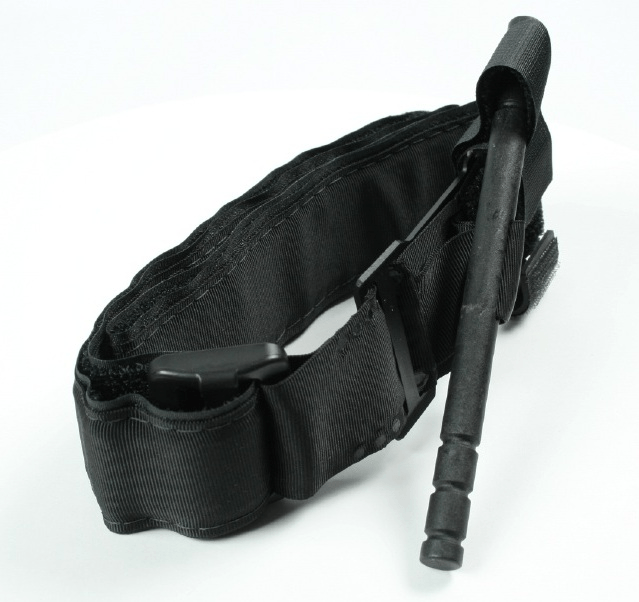
Quality Tourniquet
Nothing in trauma care has saved more lives in modern conflicts than the properly applied tourniquet. But not all tourniquets are created equal — and many cheap versions fail when they’re needed most. Stick to reputable, TCCC-recommended brands tested under real conditions.
A tourniquet should be staged, accessible, and replaceable if contaminated. Most trauma scenarios involving limbs start here, and every other intervention is meaningless if catastrophic bleeding isn’t stopped first.
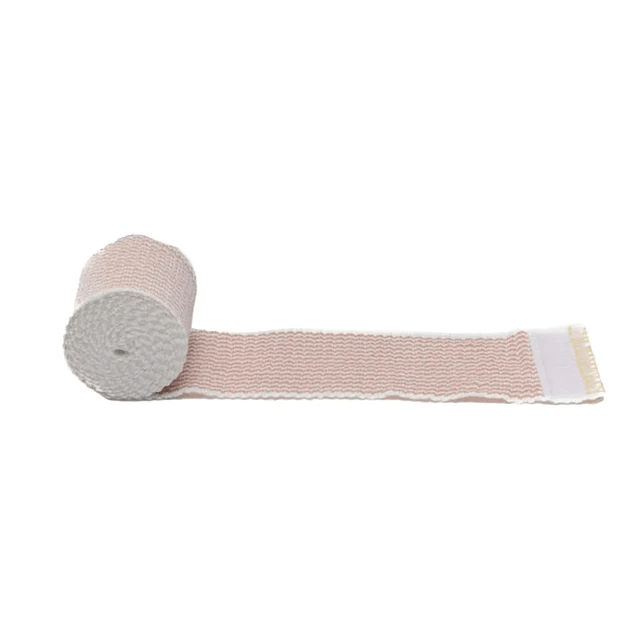
Pressure Bandage
After a tourniquet, a pressure bandage is one of the most practical tools you can carry. It’s designed to control moderate to severe bleeding when a tourniquet isn’t appropriate or needs reinforcement. In both urban and rural settings, this is the workhorse of wound management and is simple enough for beginners to apply under stress.
Pressure bandages also pair naturally with wound packing — allowing you to address deep bleeding and maintain compression during movement or evacuation.
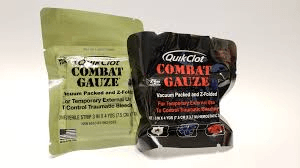
Hemostatic Gauze
Wound packing is a critical skill, and hemostatic agents make it easier and more effective. They work by accelerating clot formation in areas where a tourniquet cannot be applied, such as junctional injuries. This isn’t advanced medicine; it’s a straightforward technique that anyone with minimal training can learn.
Hemostatic gauze represents the middle ground between simplicity and capability — ideal for prepping where versatility matters.
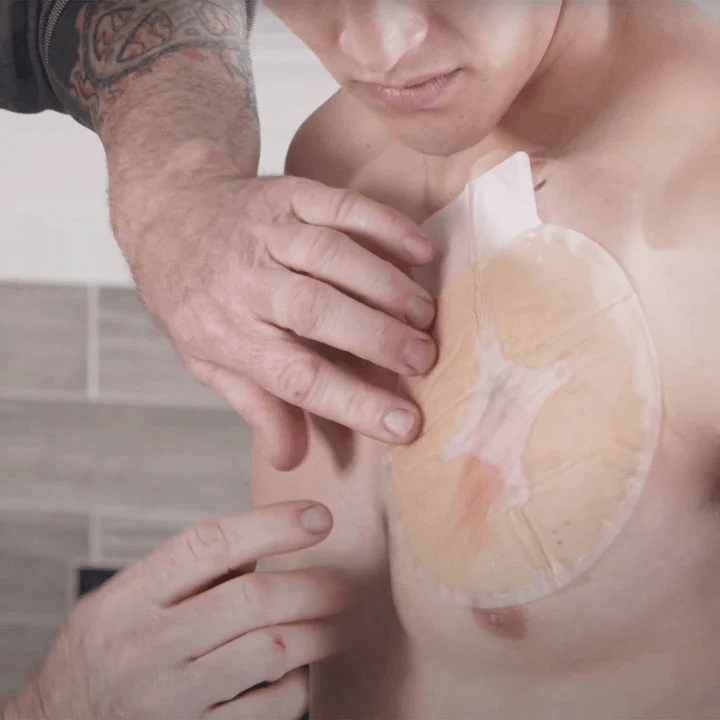
Chest Seals
Penetrating trauma to the chest is rare in everyday life but far more common in disasters, accidents, or defensive use-of-force scenarios. A simple vented chest seal can prevent a survivable injury from becoming fatal by helping maintain pressure balance inside the chest cavity.
Carrying a pair ensures you’re ready to treat both entry and exit wounds. They’re lightweight, flat, and belong in every kit.
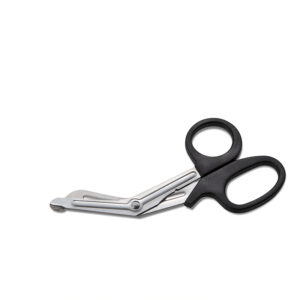
Emergency Shears
Trauma care requires access. Whether clothing needs to be removed, armor shifted, or equipment cut away, shears do the job cleanly and safely. This isn’t about convenience; it’s about speed. Trying to treat a wound through clothing wastes precious time.
Good shears also allow you to stage gear, cut tape, trim bandages, and work cleanly in low-light or cramped conditions — all of which matter when things go wrong.
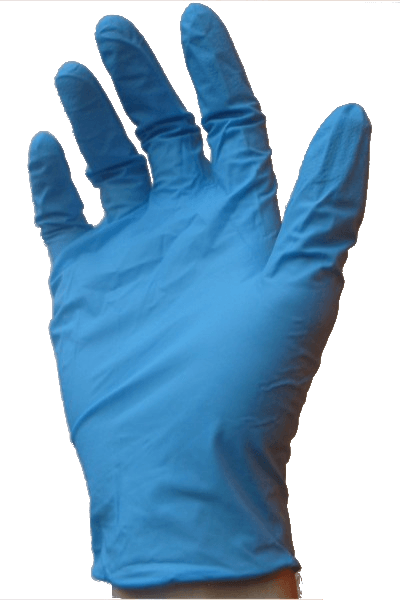
Nitrile Gloves
Cross-contamination isn’t dramatic, but it’s real. Gloves protect you and the patient, keep you from losing grip due to blood or fluids, and help maintain basic hygiene in field environments. They weigh almost nothing, stash easily, and should be replaced whenever used.
Many preppers overlook gloves, but in practice they’re one of the most used items in real trauma responses.
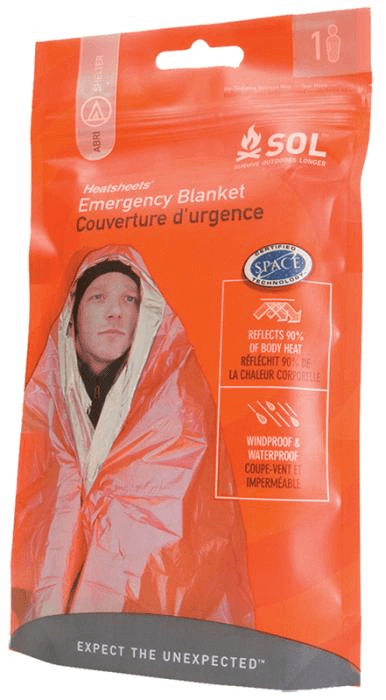
Mylar Blanket
Shock management is a critical component of trauma care. Even well-treated injuries can deteriorate fast if the body loses heat, and a simple mylar blanket can make the difference between stabilization and collapse. It takes minimal space, costs almost nothing, and extends survival time in real emergencies.
Mylar also shows up in other parts of preparedness — long-term food storage, insulation, and shelter-building — making it a natural crossover item between the Food, Shelter, and Medical pillars.
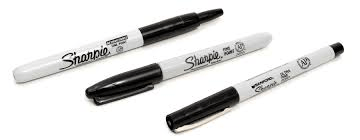
Marker or Note System
If you apply a tourniquet, you must be able to mark the time. A simple marker is enough. If you want to go one step further, keep a small note card to track injuries, interventions, or observations. This helps you if conditions deteriorate or higher care becomes available hours later.
These small documentation habits show up across preparedness — inventory tracking, fuel rotation, water testing — and they matter just as much in medical scenarios.
Building Trauma Capability Without Overcomplication
You don’t need a medic-level background to use essential trauma gear responsibly. Most interventions listed above can be learned through local first-aid courses, Stop The Bleed training, or community workshops. What matters most is familiarity: staging your gear, practicing with it, and understanding what each tool does.
Preppers sometimes fall into the trap of chasing advanced gear they’ll never realistically use. Suture kits, surgical staplers, and decompression needles belong to trained medical professionals or specific contexts — not the average homestead, camp, or bug-out bag.
Real preparation comes from mastery of the fundamentals: bleeding control, airway awareness, patient positioning, and shock mitigation. Everything else builds on that foundation.
Trauma Kits Across Your Preparedness Plan
One kit is never enough. Just like water filtration or food storage, redundancy matters. Trauma gear should live where life happens — your home, your vehicle, your range bag, your job site, and your community events. If you’re responsible for family, training partners, or a group, expand your kit locations accordingly.
This thinking echoes every other pillar of preparedness: multiple water sources, diversified food stores, layered security, and distributed communications. Trauma gear is no different. It’s a layered system aimed at giving you options when circumstances collapse.
The Mindset Behind Essential Trauma Gear
Gear matters, but mindset carries it. Trauma readiness is the intersection of skill, calm, and confidence under pressure. You don’t need to know how to perform surgery. You need to know how to stop bleeding, keep someone breathing, and get them to the next stage of care.
That skillset is within reach for any prepper willing to practice — and that’s exactly why essential trauma gear belongs in every kit. It gives you the capability to do the most good with the simplest tools and the strongest return on training.
Preparedness isn’t only about storing food, purifying water, or defending your family. It’s about protecting life in the moment when everything else falls away. Trauma gear is one of the most direct, impactful investments you can make in long-term resilience and self-reliance.
We’ve covered more on this topic in other Medical Preparedness posts – check them out. Visit our store for ammo, gear, knives, mags, parts, supplies, tools, etc, you can count on.