
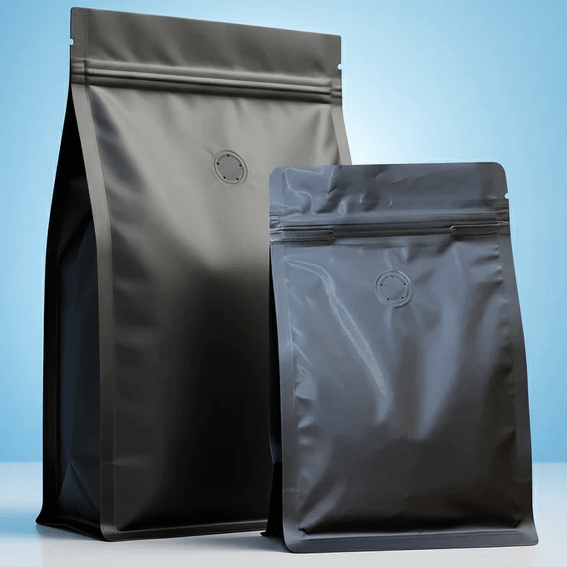
Long-term food storage isn’t just about stocking a pantry — it’s about creating stability in an unstable world. Mylar bags are one of the most reliable ways to protect food from oxygen, moisture, pests, and time itself. Whether you’re prepping for a multi-month disruption or building out a deep pantry to buffer against inflation, Mylar-backed storage gives you control over shelf life and quality in a way that cans and commercial packaging often can’t match.
Within the Food Security pillar, Mylar sits in a sweet spot: affordable, accessible, customizable, and capable of preserving staples for decades when used correctly. For most preppers, it becomes the backbone of rice, beans, oats, pasta, wheat, lentils, powdered foods, and other dry staples that keep your calories high when supply chains break down.
This guide breaks down what Mylar bags actually do, how to use them safely, and how to choose the right sizes, thicknesses, and oxygen absorbers. The goal is simple: store food that will be safe, edible, and trustworthy long after today’s problems are forgotten.
When you’re done here, you have to check out Vacuum Sealing: A Simple Way to Extend Food Storage
Why Mylar Works So Well for Preppers
Mylar is a laminated polyester film with exceptional barrier properties. The same characteristics that protect sensitive electronics from humidity and light also protect food from the slow oxygen-driven decay that destroys taste, nutrients, and safety.
Shelf life depends on what you store and how you seal it, but paired with proper oxygen absorbers, Mylar can keep dry foods viable for 10–30+ years. That longevity gives you long-term stability without relying on refrigeration or freezers — a major advantage during grid-down events, rolling blackouts, and fuel shortages (all of which tie back into the Energy & Power pillar).
For most households, Mylar is the most cost-effective way to build deep resilience without overspending on freeze-dried commercial meals.
Choosing the Right Mylar Bag Thickness
Not all Mylar is created equal. For serious prepper use, thickness matters.
Thin 2–4 mil bags are fine for short-term backups, but for true long-term storage you’re better off with 5–7 mil. These resist pinholes, abrasion, stacking pressure, and long-term environmental stress.
Here’s how to think about thickness:
- Thinner bags: OK for single-use prepackaged kits, small breakaway bags, or items you’ll rotate frequently.
- Standard 5 mil: The prepper workhorse — thick enough to resist wear while still easy to seal.
- 7 mil premium bags: Best for heavy staples, high stacking, long-term bins, or storage in variable temperatures.
Heavier isn’t always necessary, but overpacking 5–7 mil bags ensures that you won’t discover a failure ten years in the future when you need those calories most.
Oxygen Absorbers: The Key to Long-Term Shelf Life
Mylar only becomes powerful when combined with the right oxygen absorbers.
These small packets contain iron powder that rusts when exposed to oxygen, pulling O₂ from the sealed environment until the atmosphere inside the bag is almost entirely inert. This prevents spoilage, browning, mold, and insect development. Without O₂ absorbers, you’re only halfway to safe storage.
Use the correct size:
- 300cc absorbers for small 1-quart bags
- 500cc–1000cc for 1-gallon bags
- 2000cc or multiple smaller absorbers for 5-gallon bags
More is better than less — you cannot “over-absorb.” But using too few creates the illusion of safety when the food is quietly degrading inside.
An added benefit: oxygen absorbers collapse the bag slightly after sealing, giving you a clear visual that the barrier is working.
What You Can Safely Store in Mylar
Mylar bags paired with oxygen absorbers are ideal for low-moisture, low-oil foods, typically under 10% moisture content.
Examples include:
- White rice
- Pinto beans, black beans, lentils
- Rolled oats
- Wheat berries
- Pasta
- Dehydrated vegetables
- Powdered milk
- Salt, sugar (no absorbers needed), baking staples
Avoid high-oil foods (brown rice, nuts, granola) unless you plan to rotate them regularly — even with oxygen control, oils break down over time and reduce shelf life.
This is where crosslinking to Food Preservation and Survival Gardening comes in: Mylar gives you a long-term backbone while your garden and preservation skills handle everything fresh and perishable.
How to Seal Mylar Bags the Right Way
Mylar sealing is simple, but details matter. Bad seals compromise decades of shelf life, often without you knowing until it’s too late.
Most preppers use one of three tools:
- Household iron
- Hair straightener
- Dedicated impulse sealer
All three work. A hair straightener offers the best combination of control and ease of use. Dedicated sealers are ideal for large batch days.
A reliable workflow looks like this:
- Fill your Mylar bag with a dry staple.
- Add the correct oxygen absorbers.
- Press out excess air by hand.
- Seal the top fully.
- Place sealed bags into protective buckets, totes, or crates.
The bucket isn’t for air control — it’s for crush protection and pest resistance. A mouse can chew through plastic, but it has a much harder time chewing through Mylar inside a closed bucket.
Labeling Is Not Optional
If you plan to store food for years, labeling determines whether you’re organized or guessing; record:
- Food type
- Weight or quantity
- Date of packing
- Oxygen absorber size used
- Any notes on moisture checks
Good labeling ties directly into resilience: it lets you rotate properly, track what you’ve eaten, and replenish long-term stores before they run dry.
Storing Mylar Bags for Maximum Longevity
Where you store Mylar bags is just as important as how you pack them. Food stored in a climate-controlled basement or closet far outlasts food crammed into a hot shed.
Ideal conditions:
- Cool temperatures
- Low humidity
- Darkness
- Minimal exposure to physical stress
Keep bags in heavy-duty buckets or totes to maintain structure and keep rodents out. As with other pillars like Shelter & Protection, the goal is to create layers: Mylar as your barrier, a bucket as your armor, and a controlled environment as your safety net.
Read up more on Shelf-Life Management: How to Avoid Wasting Stored Food
Using Mylar in a Post-SHTF Scenario
Most people associate Mylar with today’s prepping — not tomorrow’s survival realities. But it’s useful even after society takes a hit.
If you encounter abandoned properties, homesteads, or rural wells, you may also encounter forgotten stores of grain, pasta, beans, or other staples. Knowing how to inspect Mylar bags for integrity becomes a real skill.
Check for:
- Rips or punctures
- Evidence the oxygen absorber never activated (bag still puffy)
- Moisture or caking
- Off smells
Well-packed Mylar can outlast civilization itself, but only if stored correctly. Understanding what “right” looks like ahead of time gives you an edge if you ever need to reclaim or salvage food in the wild.
Why Mylar Matters in a Larger Preparedness Strategy
Mylar isn’t a silver bullet — it’s a backbone. It supports the rest of your food strategy:
- Gardens feed you fresh.
- Canning feeds you medium-term.
- Freeze-dried foods feed you rapidly at a cost.
- Mylar preserves calories for decades.
Together, they let you ride out disruptions in a way that keeps your energy high and your stress low. Food Security isn’t about hoarding; it’s about thoughtful planning that supports physical and mental resilience across all the pillars of preparedness.
We’ve covered more on this topic in other Food Security posts – check them out. Need supplies for your own preparedness plan? Visit our store for ammo, gear, knives, mags, parts, supplies, tools, etc, you can count on.